



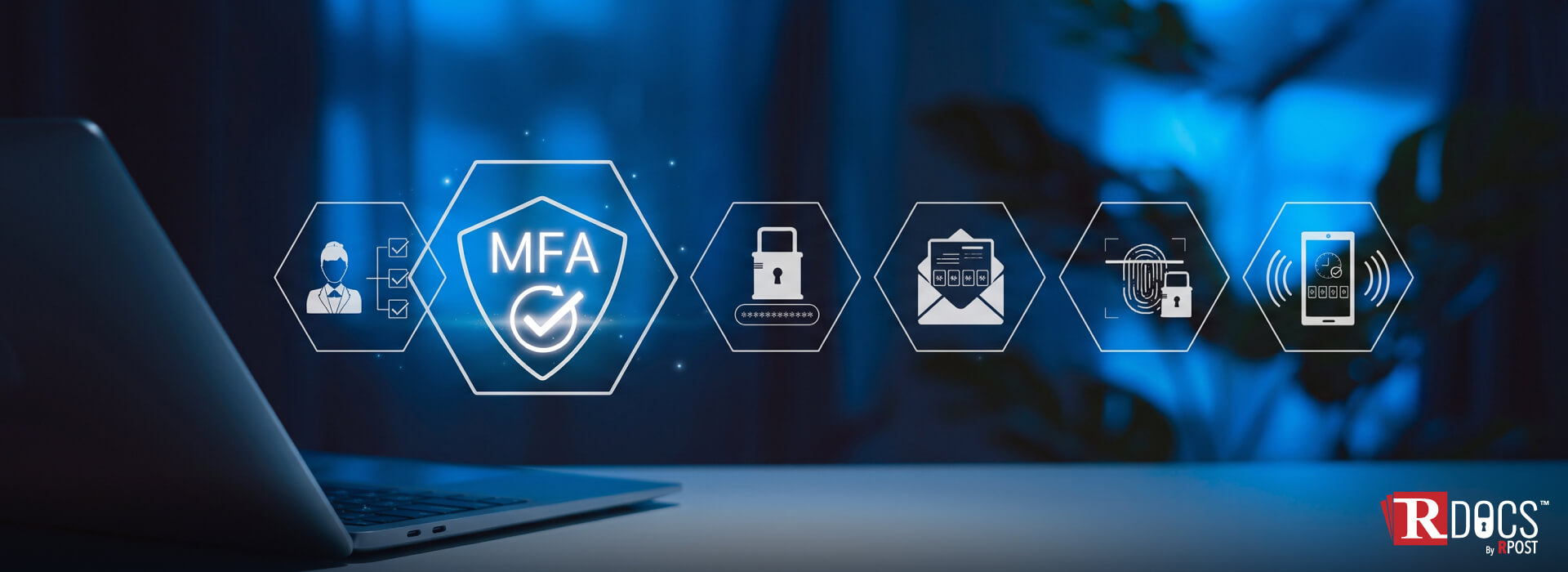
A password-protected file can still be exposed by a compromised password, a forwarded link, or an account that remains active after a business relationship changes. That is why Multi-Factor Authentication matters for sensitive documents. It adds a second proof of identity before a recipient gains access to high-value information—but it should be only the beginning of a document-security strategy.

A sensitive document may be protected while stored in a company system or delivered through a secure channel. But what happens after the recipient opens it?
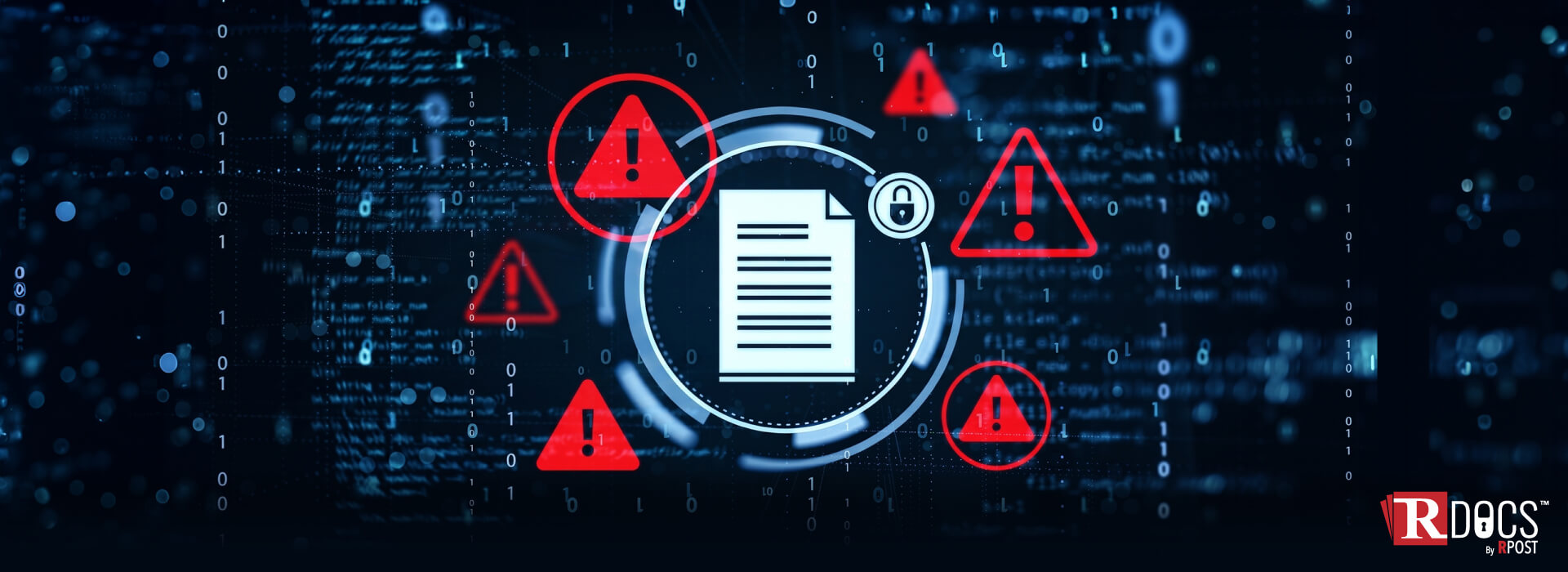
Access to a sensitive document is often granted for a specific purpose. A lawyer needs a contract during a review. An auditor needs financial records for a defined assessment period. A healthcare consultant may need access while completing a case review.
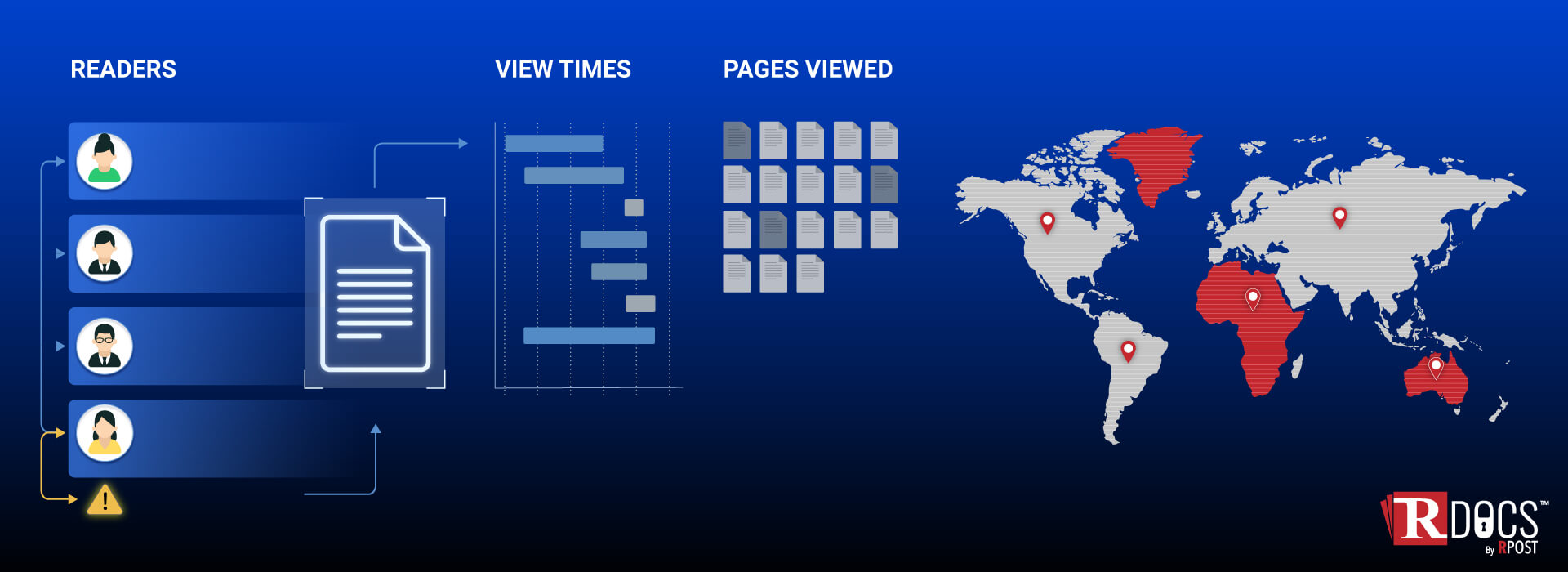
Document Readers Tracking and Viewing Activity is useful only when it helps a team make better access decisions. Knowing that a file was opened is a weak signal on its own. Sensitive document workflows need more context: who viewed the file, whether that person was expected, how the review unfolded, and whether access should remain active.
Knowing that your document was opened is not the same as knowing that it was read.
For security-aware teams distributing sensitive documents to external parties — investors, regulators, opposing counsel, clinical partners, or deal counterparties — that distinction is where the real gap lies. A delivery confirmation or link-click notification tells you that someone interacted with a file at a specific moment.

A sensitive document leaves your organization. It reaches the intended recipient. Transmission confirmed, delivery logged.
What happens next is outside your visibility entirely.
Document access tracking has become a practical requirement for teams that share sensitive files outside the organization. A legal agreement, board deck, audit report, customer data file, or intellectual property draft may start inside a protected environment. Once it is emailed, downloaded, forwarded, or stored on another device, the sender often loses visibility.

There's a widely held assumption in enterprise security: once a document has been transmitted securely — encrypted in transit, delivered to the right address — the organization's accountability for that document has been fulfilled.

Digital document management is no longer just about keeping files organized. For many businesses, the bigger issue is what happens after a document is shared, downloaded, forwarded, or opened by someone outside the company.
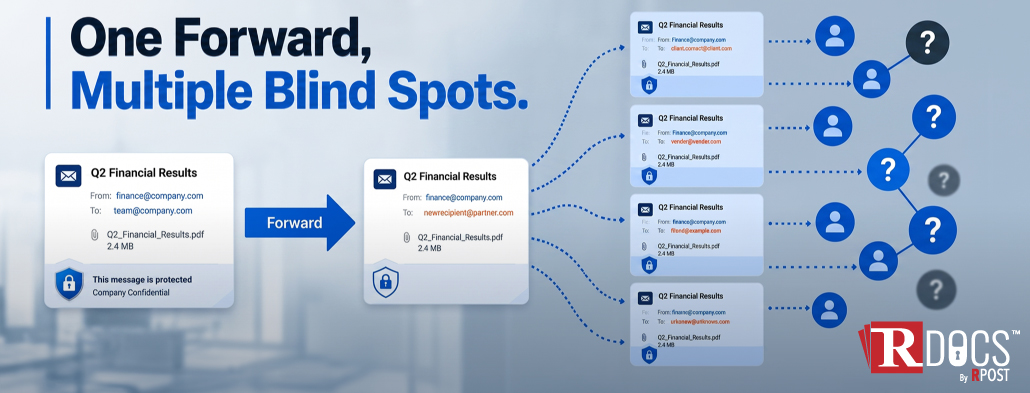
That is increasingly how sensitive information leaves organizations today.
October 14, 2026
September 07, 2026
August 13, 2026
July 14, 2026
July 03, 2026