


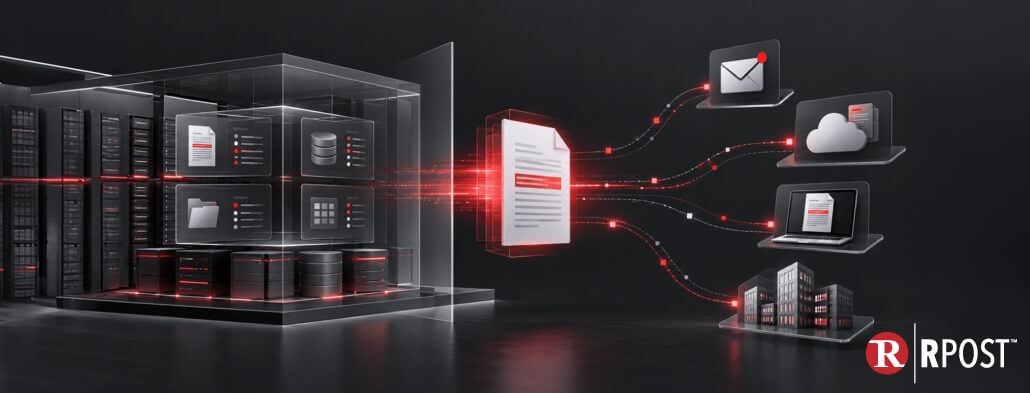
For organizations with robust security, having DSPM as a strategy gives security teams visibility into where sensitive data sits, who can access it, and where it may be overexposed. The challenge comes when that data leaves the systems DSPM is watching.
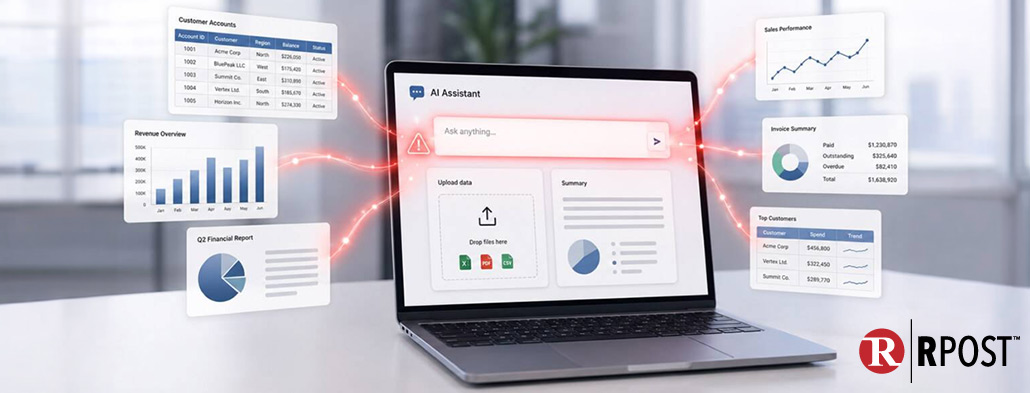
A new data-sharing route appears to be forming inside enterprise workflows - the AI prompt.
An employee may use an AI tool to summarize a client file, compare contract terms, or analyze a spreadsheet. The task may feel routine, but the prompt could contain sensitive account details, pricing assumptions, forecasts, customer information, or internal approval logic.
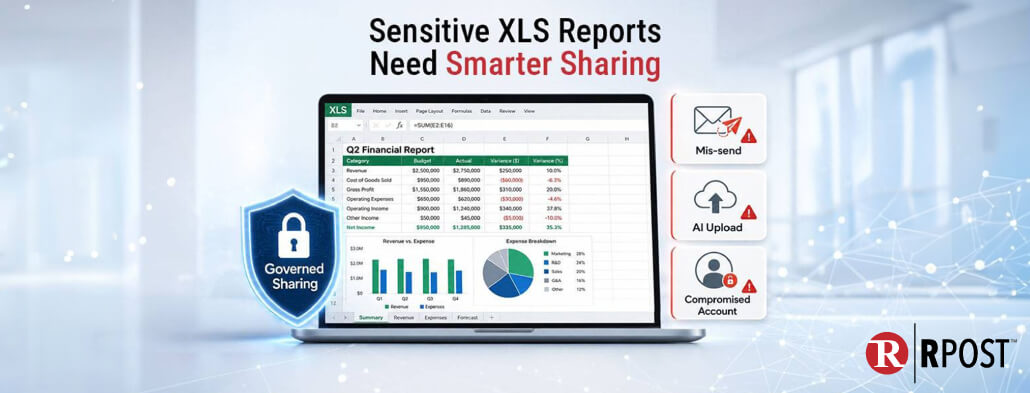
Spreadsheets are useful as they are easy to send and review, but this same usefulness creates security risks when an XLS file carries pricing logic, client lists, margin assumptions, hidden tabs, or the reasoning behind a business decision.
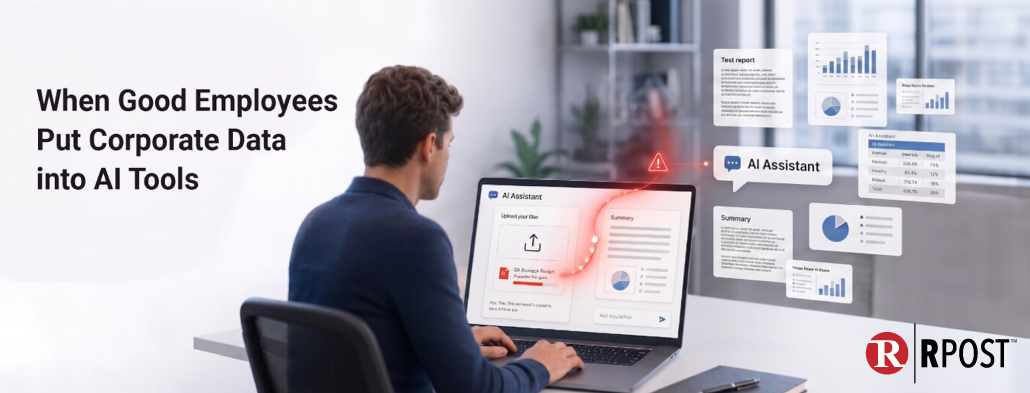
A lot of AI data leakage doesn’t start with bad intent; it starts with convenience.
Employees across businesses are using AI tools purely for convenience and productivity. Think of someone uploading a contract to summarize key terms, pasting meeting notes into an AI tool to clean them up, using AI to compare two documents, or extracting action items from an internal file.

In 2026, digital transactions aren’t just simple handoffs. Each email, document, or signed link now carries value, context, intent, and often, money. Attackers are no longer trying to break in the traditional way; they have shifted their playbook.

For law firms, confidentiality doesn’t end when the sensitive documents leave the inbox. It begins there!
We all rely on third-party systems, such as cloud drives, partner portals, vendor mailboxes, and more. But here’s the problem with traditional defenses. They can only guard what’s inside your walls.
November 03, 2026
October 15, 2026
October 09, 2026
October 06, 2026
September 09, 2026


