


An acquisition adviser needs the financial model. A FinTech partner needs the integration specification. A defense supplier needs an approved technical briefing. Each recipient may have a legitimate reason to read sensitive information—and an opportunity to capture or redistribute it.
Access to a sensitive document is often granted for a specific purpose. A lawyer needs a contract during a review. An auditor needs financial records for a defined assessment period. A healthcare consultant may need access while completing a case review.
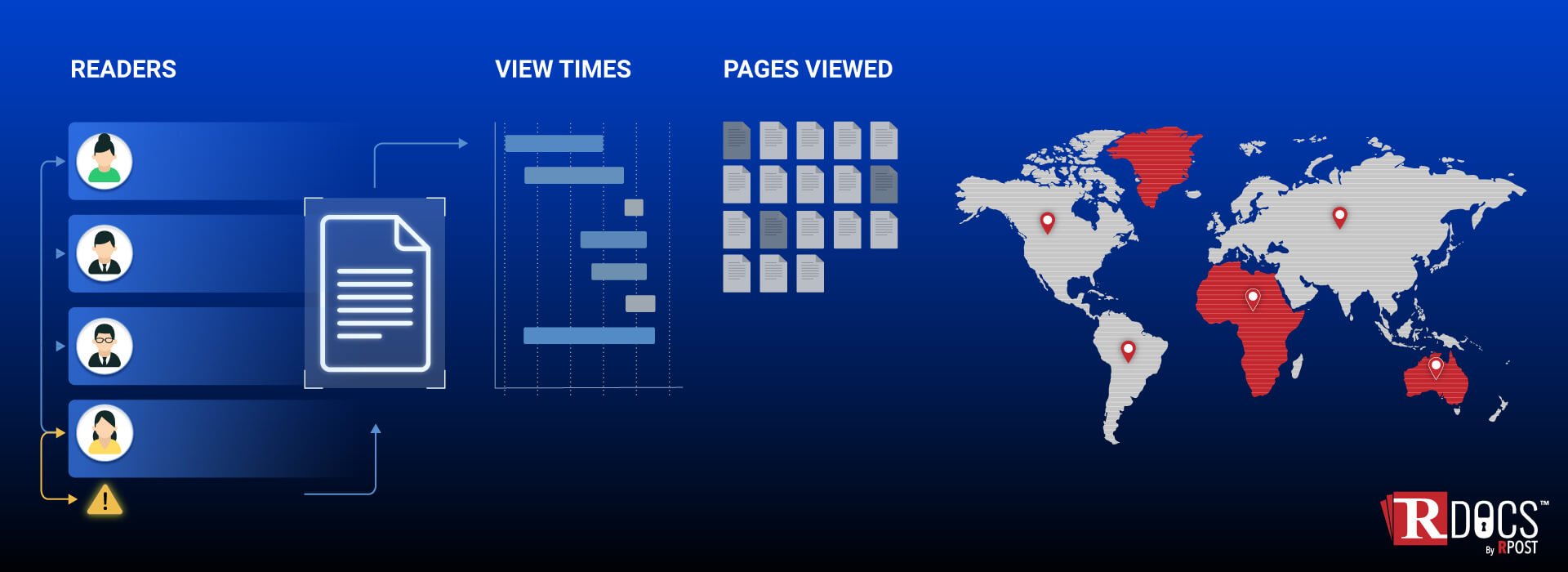
Document Readers Tracking and Viewing Activity is useful only when it helps a team make better access decisions. Knowing that a file was opened is a weak signal on its own. Sensitive document workflows need more context: who viewed the file, whether that person was expected, how the review unfolded, and whether access should remain active.
Knowing that your document was opened is not the same as knowing that it was read.
For security-aware teams distributing sensitive documents to external parties — investors, regulators, opposing counsel, clinical partners, or deal counterparties — that distinction is where the real gap lies. A delivery confirmation or link-click notification tells you that someone interacted with a file at a specific moment.

A sensitive document leaves your organization. It reaches the intended recipient. Transmission confirmed, delivery logged.
What happens next is outside your visibility entirely.
October 29, 2026
October 13, 2026

September 01, 2026
August 13, 2026
July 10, 2026


