



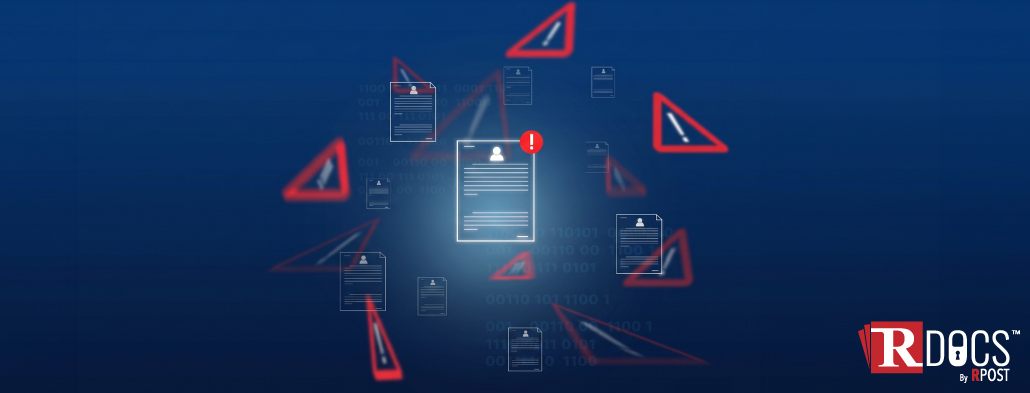
Document access tracking has become a practical requirement for teams that share sensitive files outside the organization. A legal agreement, board deck, audit report, customer data file, or intellectual property draft may start inside a protected environment. Once it is emailed, downloaded, forwarded, or stored on another device, the sender often loses visibility.
This is where the gap appears. Many tools can tell you that a link was clicked or an email was opened. Fewer tools can show where the document itself was opened, who opened it, whether it was forwarded, which pages were viewed, and whether access should still remain active.
For IT directors, chief compliance officers, and legal operations managers, this distinction matters. Tracking an email is communication visibility. Tracking a document is content visibility. Regulated teams need the second one when the file carries confidential, legal, financial, or personal information.
Most sensitive documents do not create risk while sitting in a controlled repository. The risk grows after sharing.
A legal team sends a settlement draft to outside counsel. A finance team shares a forecast with a potential investor. A compliance team sends audit evidence to a regulator or external reviewer. A product team shares technical documentation with a partner. In each case, the business needs the document to move. The security issue is that the sender may no longer know what happens next.
Standard PDFs and office files are easy to copy, forward, print, upload, and store. Password protection can help in limited cases, but it often protects only the opening event. Once the file is accessible, the sender may have little visibility into later use.
Basic tracking tools usually depend on a link, a portal, or a tracking pixel. These can confirm that something was clicked, but they may not confirm what happened to the file after download. This creates weak evidence for audits and a weak response path for incidents.
True document access tracking should answer practical questions:
Those answers are central to post-delivery document control.
Tracking where a document is opened is more than showing a map point. Location can be inferred through access signals such as IP address, network details, device context, browser session, or region-level information. Exact accuracy depends on the technology used and the reader’s network conditions, including VPNs and corporate proxies.
In enterprise environments, document tracking usually includes several layers.
First, the system should track document opens in real time. This gives the sender visibility into when a recipient accesses the file and whether the access pattern looks expected.
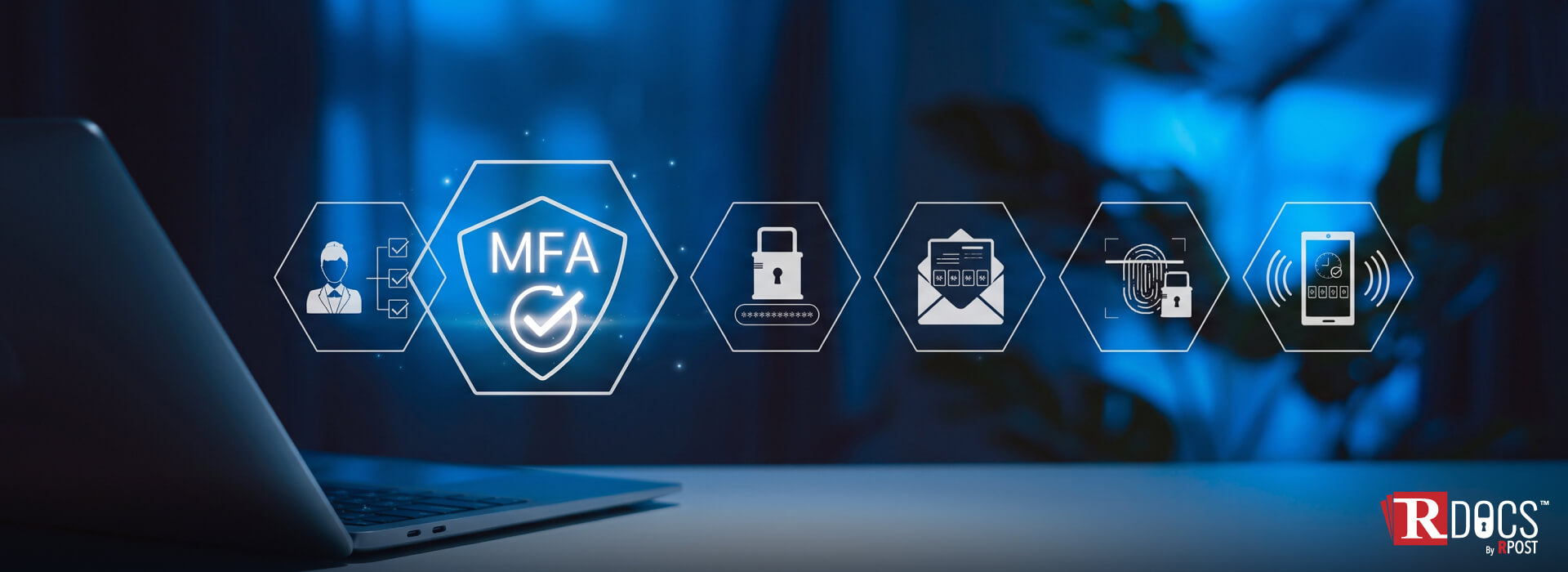
Second, it should support reader-level identity controls. This helps reduce the risk created when a document is forwarded to someone outside the approved audience.
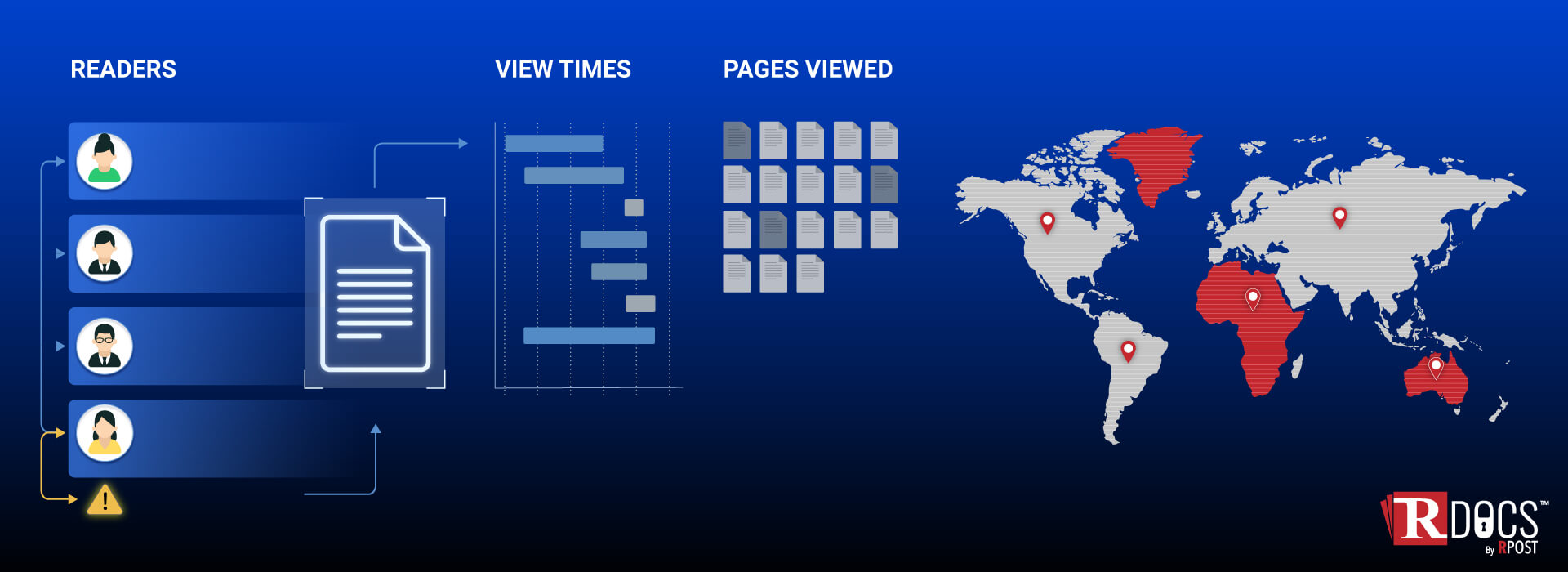
Third, it should provide secure document analytics. For sensitive files, knowing that a document was opened is often less useful than knowing which pages were viewed, how often, and by which recipient.
Fourth, it should allow action. Tracking without control leaves the sender informed, but still exposed. If a file is opened from an unexpected region, by an unexpected user, or after a deadline, the sender should be able to restrict or revoke access.
The document security vs PDF conversation is usually practical, rather than theoretical. PDFs are widely used because they are familiar, portable, and easy to send. Those same strengths become weaknesses when the content is sensitive.
Once a standard PDF is downloaded, the sender may not be able to prevent forwarding. A recipient can attach it to another email, save it to a personal drive, print it, or upload it into another system. If the document contains regulated personal data, confidential deal terms, source material, pricing, or contract language, this becomes a compliance and legal operations concern.
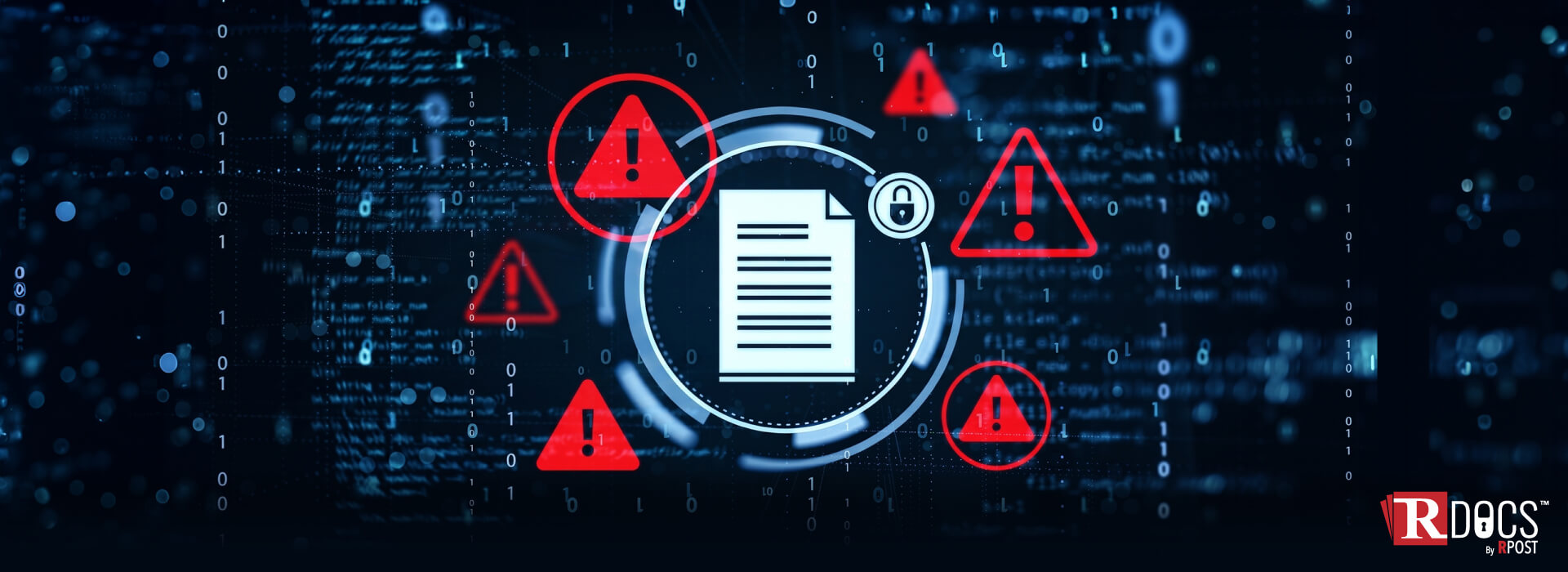
This is also relevant to BEC document fraud prevention. In a business email compromise scenario, attackers may intercept or manipulate invoices, contracts, payment instructions, or deal documents. If the sender cannot track document opens or detect unexpected access, the altered workflow may go unnoticed until money or information has already moved.
GDPR compliant document sharing also requires more than basic delivery confidence. Organizations need to understand who had access to personal data, whether access was appropriate, and how access can be limited when the purpose no longer applies. Relying only on standard files can make those questions difficult to answer during audits or investigations.
Enterprise Digital Rights Management should protect the document after it leaves the sender’s immediate environment. For regulated teams, enterprise DRM software should do more than place a file behind a login page.
A stronger model includes file-embedded DRM. In this approach, access rules and controls travel with the file rather than depending only on the original sending channel. This matters when a document is forwarded, saved locally, or opened later from a different environment.
Effective enterprise DRM should also support:
Document watermarking software: Visible or hidden marks can help identify the authorized recipient or access context if a file is copied, photographed, or leaked.
Document expiry: Access can automatically end after a set date, after a deal stage closes, or when a review window ends.
IP-based access control: Access can be restricted or reviewed based on network signals.
Document geofencing: Files can be limited by approved regions, depending on the organization’s policy and compliance needs.
Real-time document tracking: Senders can see access activity as it occurs rather than waiting for a manual audit.
Prevent document forwarding controls: Forwarded files should not automatically become readable by anyone who receives them.
Post-delivery document control: Senders should be able to change permissions, lock access, or unsend shared document access after delivery.
The goal is simple. The document should remain governed after it moves.
RDocs™ approaches this problem through RPD™ technology, short for Rights Protected Document. Instead of treating the document as a static PDF that loses control after download, RDocs™ uses a file-embedded DRM model designed to maintain visibility and control after sharing.
The RDocs brand POV is clear: traditional document tracking fails when a file is downloaded or forwarded. RDocs is designed to maintain persistent, real-time visibility and kill-switch control over documents globally, without forcing recipients to install software or register for accounts.
For enterprise teams, this matters because recipient friction often weakens security adoption. If outside counsel, customers, partners, auditors, or board members need to create accounts or install software, adoption slows down. RDocs is positioned around browser-based access, where recipients can interact with protected documents without additional software.
RDocs™ can support secure document analytics by helping senders understand document activity after delivery. This may include opens, page-level viewing behavior, reader access, and other activity signals.
RDocs™ also supports post-delivery document control. If a document is sent to the wrong person, accessed from an unexpected location, or no longer should remain available, the sender can revoke access. This is the practical value behind the idea of an unsend shared document capability. The file may already exist outside the sender’s inbox, but access to its content can still be controlled.
Document watermarking software helps discourage casual misuse and supports accountability. A visible watermark may include recipient details, timestamps, or other access context. This makes screenshots and printed copies less anonymous.
Steganography adds another layer. In document security, steganography can refer to hidden or less obvious markings embedded into the content or presentation layer. These markings may help trace the source of a leak if a copy, photo, or screenshot appears outside the approved audience.
RDocs™ references steganographic markings through Leakers Folly (Identify Leakers). The benefit for legal and compliance teams is that a leaked file or image may carry forensic clues about which authorized access path produced it.
This does not replace access control. It supports investigation and deterrence when access control alone cannot prevent screen capture, photography, or offline disclosure.
Document tracking, done well, isn't about surveillance — it's about closing the visibility gap that exists between "sent" and "read," and giving organizations the ability to act when something goes wrong.
If you're assessing how document-level controls could fit into your existing email security and compliance stack, exploring how RDocs™ handles tracking, watermarking, and post-delivery control is a useful next step.
October 13, 2026

September 01, 2026
August 13, 2026
July 10, 2026
July 03, 2026



 Blog
Blog