





A sensitive document may be protected while stored in a company system or delivered through a secure channel. But what happens after the recipient opens it?
If printing is permitted, confidential information can quickly leave the controlled digital environment. A financial report may be forgotten on a shared printer. A customer record may be carried outside the office. A legal document may be copied or passed to someone who was never authorized to read it.
Preventing document printing is therefore more than a file preference. For documents containing personal data, intellectual property, financial information, legal strategy, or other confidential content, it is an important part of controlling how information is used after sharing.
Digital access can be governed. Organizations can authenticate users, limit viewing periods, record access activity, or revoke permission when a business relationship ends.
A printed document operates outside those controls.
Once sensitive content is printed:
The central issue is that permission to read a document should not automatically become permission to reproduce it.
For sensitive information, viewing and printing should be treated as separate rights.
Organizations sometimes use passwords or static PDF permissions to discourage recipients from printing a file. These measures can help in lower-risk situations, but they may not provide the ongoing governance required for highly confidential documents.
The effectiveness of static restrictions can depend on the application used to open the file. They also provide limited visibility after distribution and may not allow the sender to respond when circumstances change.
A recipient’s role may change. A contract may end. The wrong document may be sent. A confidential file may become obsolete. In each case, the organization needs controls that remain manageable after delivery.
A stronger approach is to make printing part of a persistent document-control policy.
Not every document needs a printing restriction. Start by identifying the files for which a physical copy would create additional privacy, security, or commercial risk.
These may include:
Classifying these documents helps organizations apply restrictions consistently instead of relying on individual judgment every time a file is shared.
With RDocs™, we convert an ordinary document or presentation into an RPD™ (Rights Protected Document). The RPD opens in a familiar browser-based viewer while remaining connected to the controls prescribed by its originator.
During creation, the originator can configure the document as viewable but not printable. When printing is disabled, the reader can navigate and review the permitted content, but the protected document does not provide an authorized printing process.
Readers do not need an RDocs account, proprietary application, or browser plug-in. Depending on the selected access level, they may be required to verify their identity before accessing the document.
Restricting printing reduces the risk of sensitive information being copied or shared, but it should be part of a broader protection strategy.
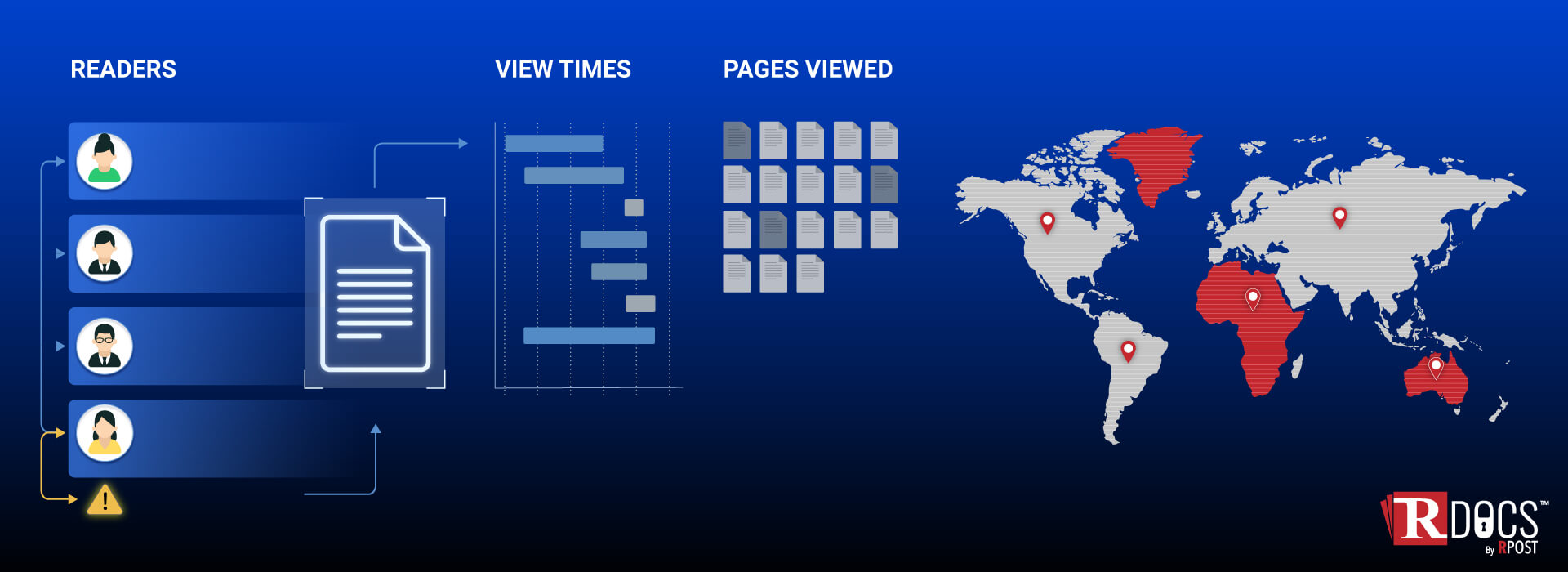
With RDocs, originators can also:
Each control serves a different purpose. Printing restrictions govern whether the protected content can be printed. Reader controls determine who may open it. Location restrictions define where access is permitted. Expiry settings determine how long the document remains available.
Together, these controls create a more complete policy around the document.
Yes. One of the key differences between RDocs and a static file permission is that RDocs controls remain manageable after distribution.
From the RDocs Manage area, the document originator can change printing permissions and other protection settings after the RPD has been shared. This is useful when a business process changes.
For example, an adviser may initially be allowed to print a working copy during a review. When that stage ends, the originator can disable future printing while keeping on-screen access available.
The originator can also change expiry dates, adjust view limits, ban selected readers, pause access, reactivate the document, or permanently kill continued access through the RPD.
These actions cannot recover a copy that was printed while printing was permitted. That is why the original decision should reflect the sensitivity and purpose of the document.
Disabling printing should not be presented as a guarantee that information can never be reproduced.
A recipient may still attempt to photograph the screen, transcribe information, or use another method outside the controlled viewer. Technical restrictions reduce available paths, but they cannot eliminate every physical-world risk.
RDocs addresses this limitation with complementary controls. Originators can apply visible, reader-specific identity watermarks that move across the displayed pages. These markings are designed to discourage screen photography and unauthorized sharing by making captured content attributable to a particular reader.
The practical strategy is layered:
The best time to decide whether a sensitive document may be printed is before it reaches the recipient.
Organizations should define which document categories must remain view-only, who may approve exceptions, how long access should continue, and what additional controls should accompany the printing restriction.
With RDocs, we help organizations keep those decisions connected to the document itself. Originators can restrict printing, govern readership, monitor activity, and adjust access even after the file has left the organization.
A confidential document should not become an uncontrolled paper copy simply because it needed to be shared. By separating permission to read from permission to print, organizations can reduce unnecessary exposure while keeping legitimate document access practical.
September 01, 2026

August 13, 2026
July 10, 2026
July 03, 2026

June 26, 2026



 Blog
Blog