


An acquisition adviser needs the financial model. A FinTech partner needs the integration specification. A defense supplier needs an approved technical briefing. Each recipient may have a legitimate reason to read sensitive information—and an opportunity to capture or redistribute it.
Dynamic Watermarking addresses part of this exposure by connecting displayed content to its reader. It can make unauthorized disclosure feel less anonymous and provide clues when a document image appears outside its intended audience.
The distinction matters: discouraging a leak, tracing its source, and blocking access are separate security functions.
A static watermark applies the same label, such as “Confidential,” to every copy. It communicates sensitivity but usually says little about which recipient’s access produced a leaked image.
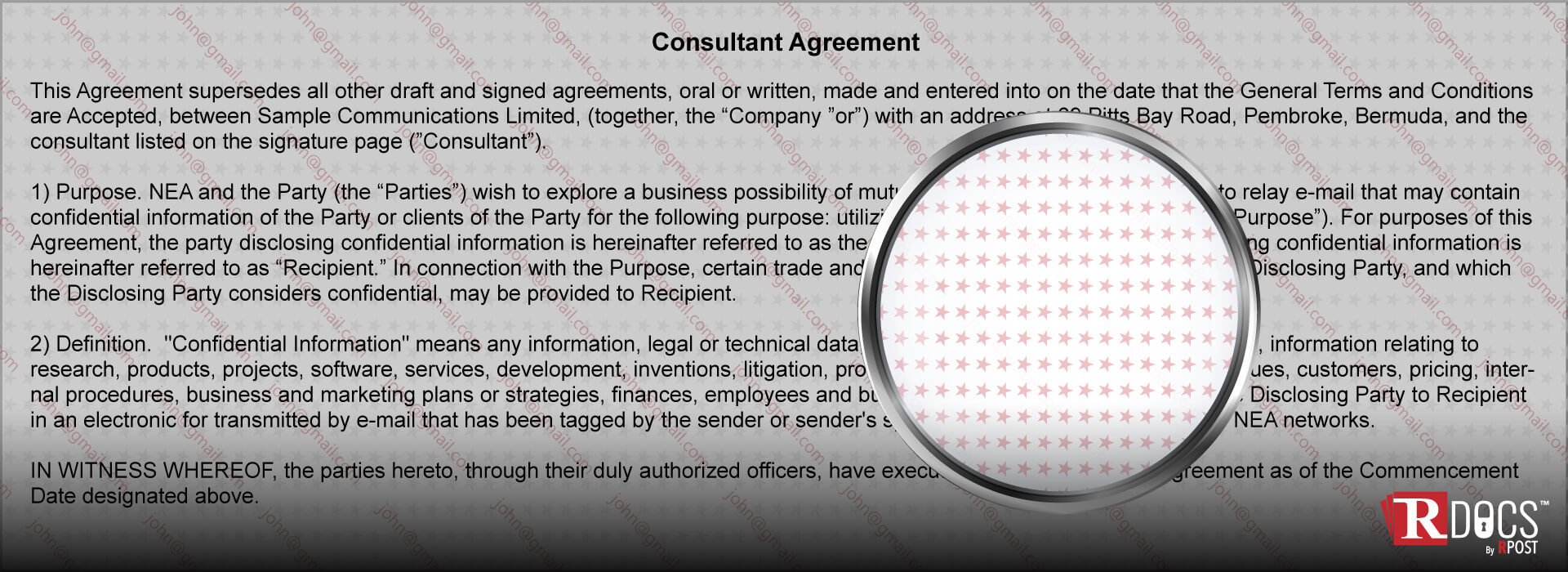
Dynamic watermarking changes according to the reader or viewing context. An identity-linked implementation can display recipient information across the document. Some systems use moving overlays rather than a fixed label.
Hidden recipient-linked markings provide a complementary approach. These markings are intended to support attribution without displaying the identifying information openly.
Consider a hypothetical M&A review. Several external advisers receive access to the same valuation report. A generic confidentiality label reminds them of their obligations. A visible watermark associated with their verified email address adds a more personal consequence: a captured page may retain a connection to their access.
That visibility is the intended psychological deterrent. A reader considering an informal screenshot or unauthorized disclosure can see that the resulting image may be attributable.
This does not establish that every recipient will behave differently. Nor can a watermark stop someone from photographing a screen. Its value is adding accountability at the moment information becomes visible.
If a report image surfaces outside the approved review group, recipient-linked markings may help investigators narrow the access path from which it originated.
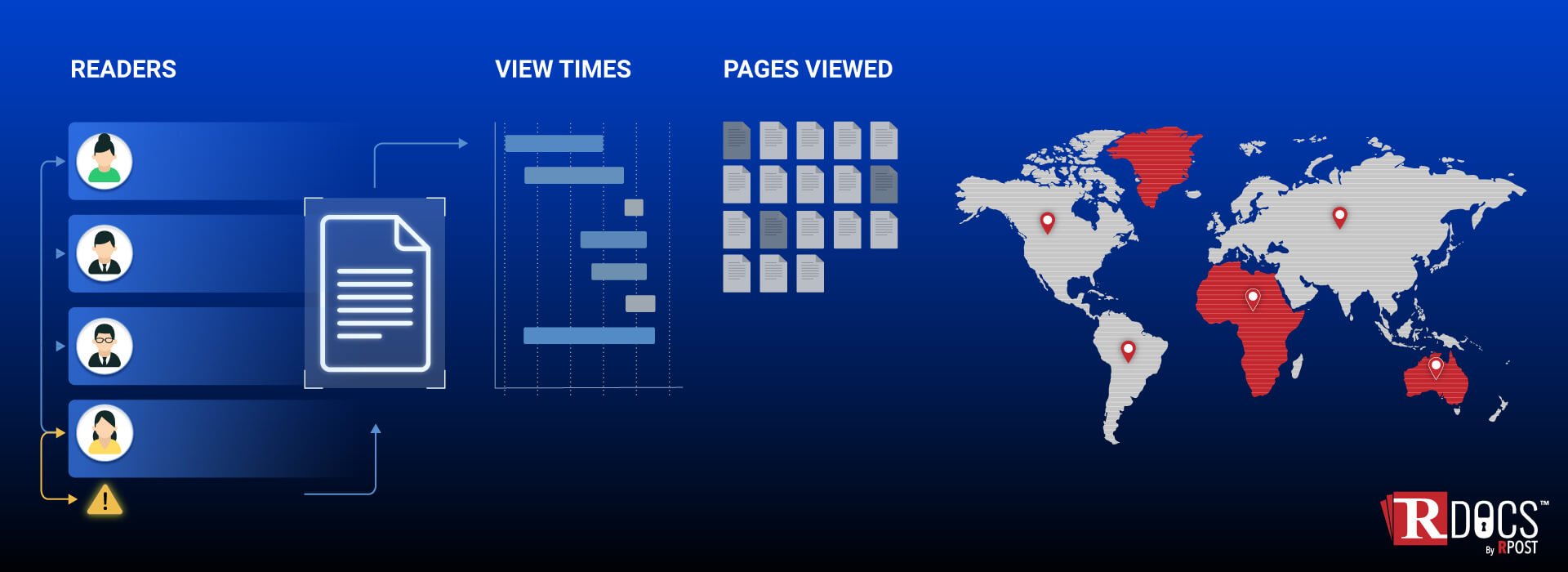
Document forensic tracking becomes more useful when those markings can be assessed alongside reader identity, access times, and other activity records.
A recipient identifier is an investigative lead, not automatic proof that the named person deliberately disclosed the information. A compromised account, shared device, or access by another person may require investigation.
Teams should preserve the discovered material, document its provenance, and assess the marking alongside corroborating evidence. They should also test whether markings remain recoverable after cropping, compression, or photography rather than assume every capture will retain usable identifiers.
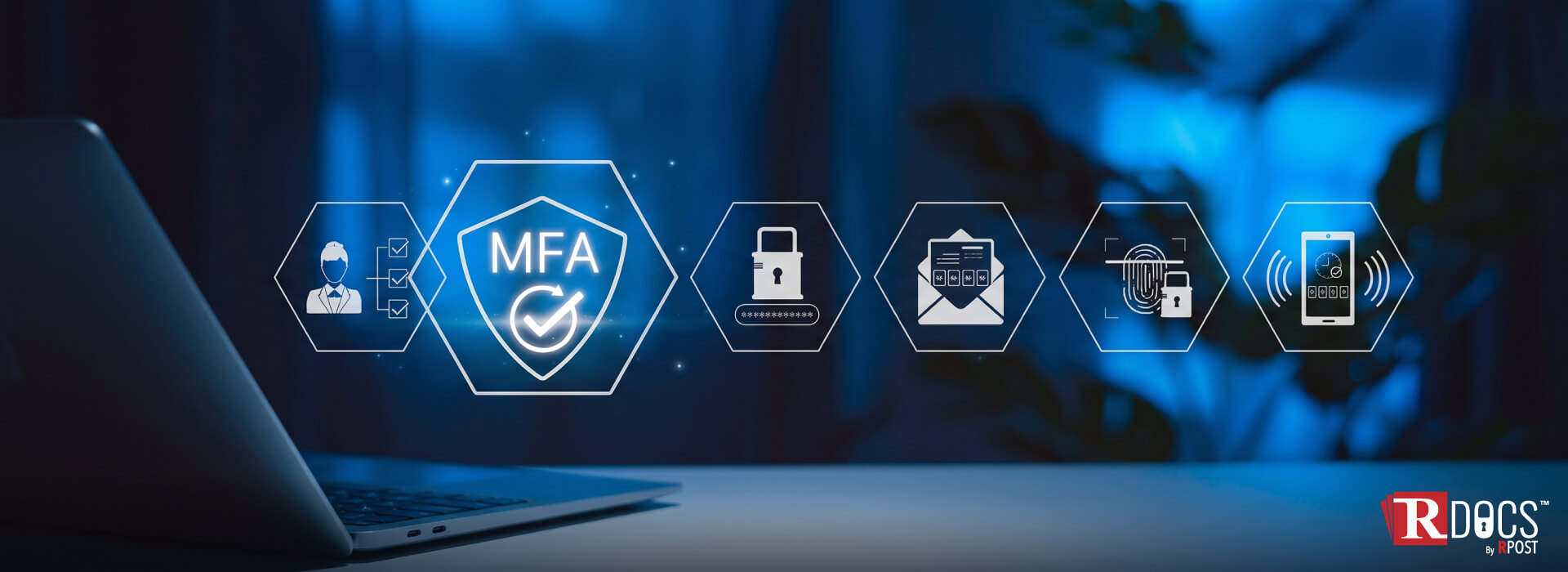
RDocs™ converts source documents into RPD™—Rights Protected Document—files that open in a browser. Readers do not need proprietary software or an RDocs account; selected access modes can require identity verification. The practical RPD file format benefits include browser-based reading alongside controls the sender can manage after distribution. RDocs access controls.
RPost describes its Identify Leakers capability, also called Leakers Folly, as supporting overt dynamic watermarks and hidden steganographic markings associated with recipients. The visible approach is designed to discourage disclosure; the hidden approach supports subsequent attribution. RDocs watermarking capabilities.
Watermarking becomes one component of Enterprise Digital Rights Management:
RDocs supports post-send changes, including pausing or revoking access for selected readers. These actions cannot retrieve screenshots, photographs, or printouts already created outside the protected reading process. RDocs post-send controls.
When comparing secure document sharing solutions, test a realistic external-review workflow. Check readability, recipient verification, marking visibility, and the process for investigating a recovered image.
For sensitive intellectual property, also establish who can access tracking records and how those records will be handled. Watermarking should support the organization’s confidentiality and incident-response practices.
To assess whether this approach fits your workflow, review how RDocs combines reader-linked watermarking with access restrictions and post-send control for a representative sensitive document.
October 29, 2026
October 13, 2026

September 01, 2026

August 13, 2026
July 10, 2026


 Blog
