




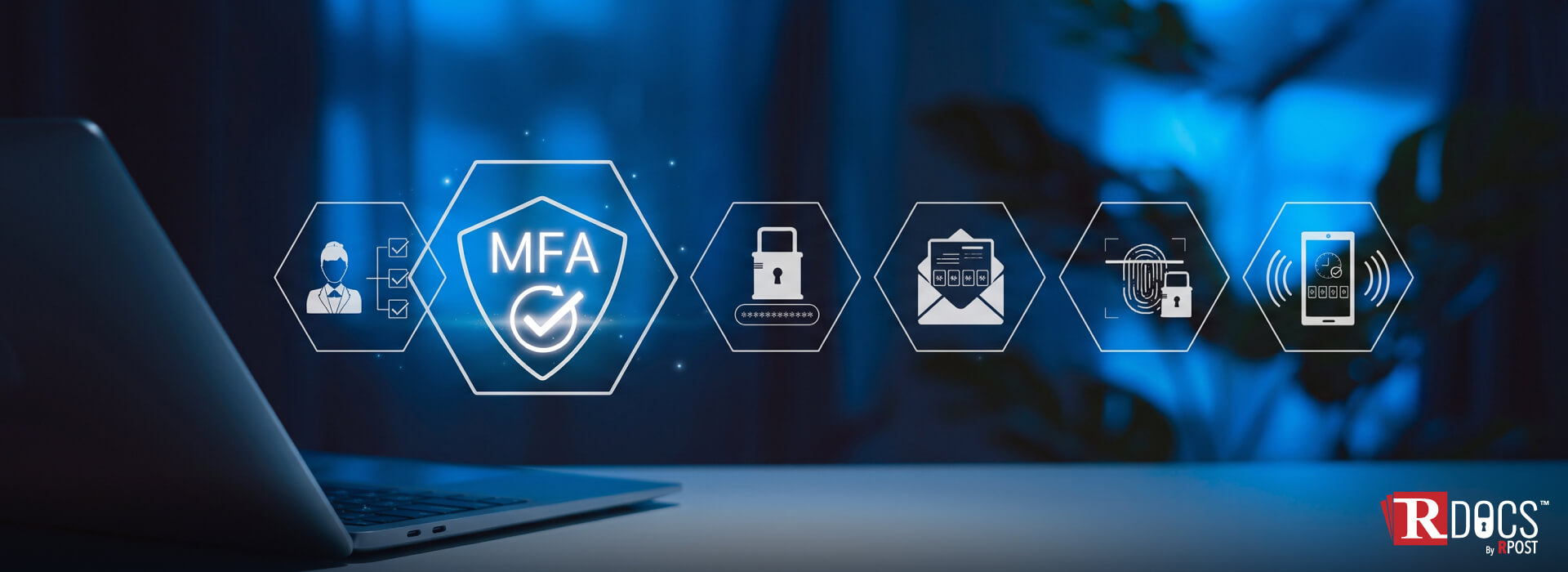
A password-protected file can still be exposed by a compromised password, a forwarded link, or an account that remains active after a business relationship changes. That is why Multi-Factor Authentication matters for sensitive documents. It adds a second proof of identity before a recipient gains access to high-value information—but it should be only the beginning of a document-security strategy.

A sensitive document may be protected while stored in a company system or delivered through a secure channel. But what happens after the recipient opens it?
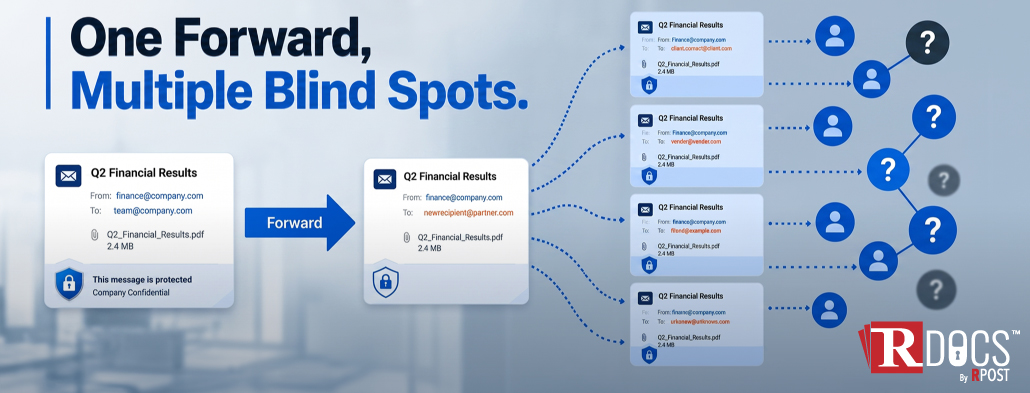
That is increasingly how sensitive information leaves organizations today.
Organizations spend significant budgets on firewalls, endpoint protection, and access controls. Yet year after year, the most consistent source of data breaches isn't a sophisticated exploit — it's a person making a mistake. And when that mistake involves a sensitive document, the consequences can be immediate and severe.

One of the most underappreciated ways customer data slips out of an organization has nothing to do with sophisticated cyberattacks or dramatic breach headlines. It happens through ordinary business documents — contracts, compliance files, proposals, board decks, customer forms — files that move through normal workflows all day long.
October 13, 2026
September 01, 2026
August 13, 2026
July 10, 2026
July 03, 2026